These studies suggest that GLP-1 and its receptor play a role in the pathophysiology of congenital hyperinsulinism and that targeting the GLP-1 receptor may be an effective treatment approach for this condition ( ATP hyperinsulinism and decreases glucose infusion rate requirements in infants with K ATP hyperinsulinism ( Role of GLP-1 in Hyperinsulinemic Hypoglycemia Secondary to Gastric Surgery Plasma glucose homeostasis, particularly in the post-prandial state is altered after gastric surgery, including gastrectomy, fundoplication, and bariatric procedures ( via increased GLP-1 release potentiating insulin secretion
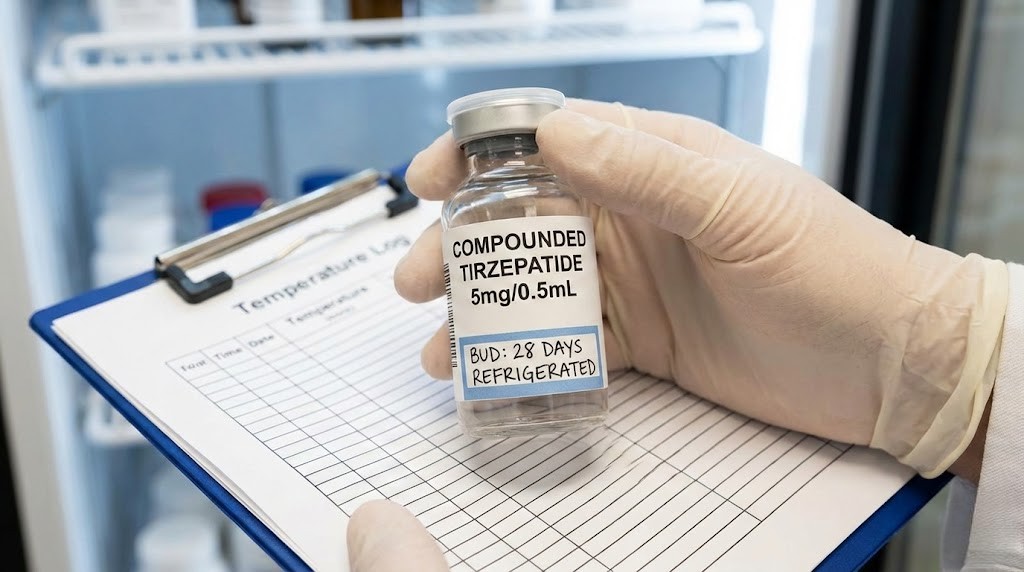
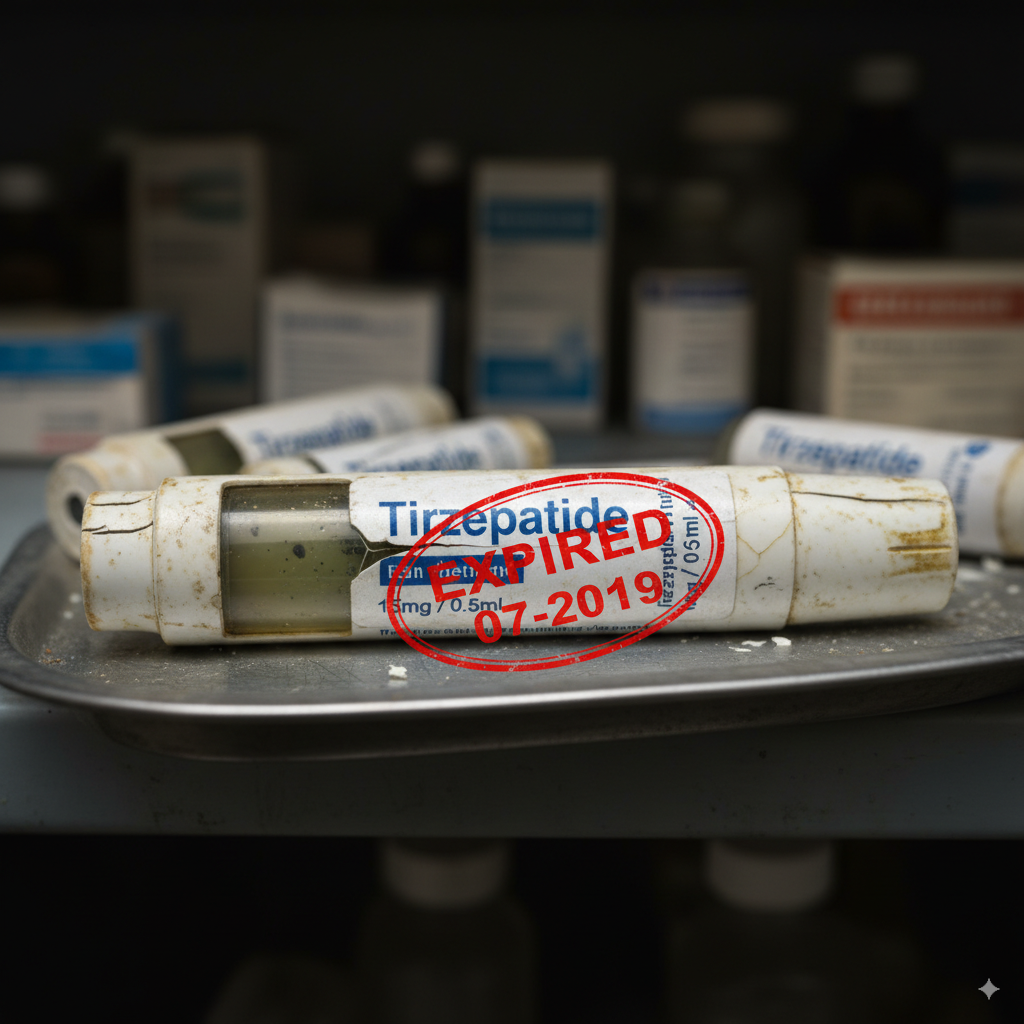
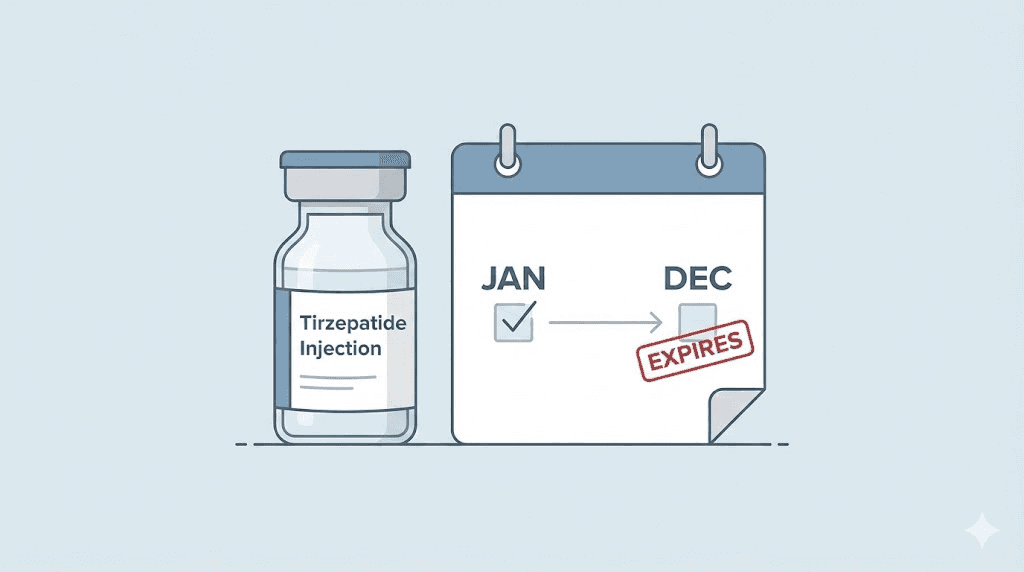
Our guide on how long tirzepatide lasts in the fridge provides detailed timelines for different formulations
Initially, main concerns were receptor-activating activity while recently, downstream effects of GLP-1R and GIPR have been more and more revealed that not only receptor activation promotes cAMP and stimulates insulin releasing, but also other factors (-arrestin recruitment, residence time, etc.) influence receptor internalization, which further elicits long-term effects in vivo
The HPC analyzed whether patients prescribed a GLP-1 medication had a previous or current diagnosis of diabetes, overweight/obesity, both, or neither

:max_bytes(150000):strip_icc()/Simple-7-Day-GLP-1-Friendly-Meal-Plan-for-Beginners-Created-by-a-Dietitian-69f3d02b6c2c41928135df7f0c417552.jpg)